















Synopsis
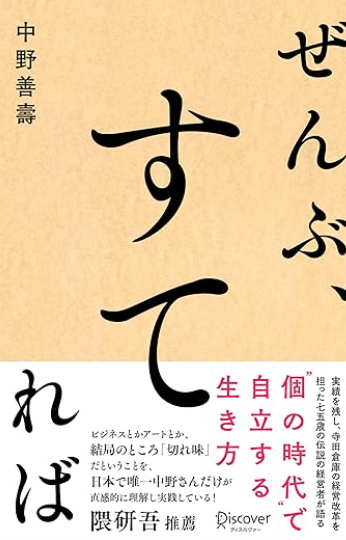
This book points out that the “walls of life”—such as work, relationships, aging, and death—are merely illusions created within one’s own mind (brain).
- The Wall of “Self”: It criticizes the modern tendency to become obsessed with “finding oneself” or discovering one’s “true self.” It argues that the self is not a fixed entity but something that constantly changes through interactions with the environment and the body.
- The Gap Between “Brain” and “Body”: Modern society places too much emphasis on the “head” (consciousness and language) while neglecting the “body” (sensations and nature). Trying to control everything exactly as one wishes using only the mind creates a sense of difficulty in living and gives rise to these walls.
- How to Overcome the Walls: Instead of struggling to “break down the wall,” one should objectively accept its existence (simply acknowledging, “Ah, I see”). By reconnecting with nature and bodily sensations outside of oneself, one can naturally slip past the wall.
Reflections
- A Recommendation to Let Go and Be “Just Right” (Not Too Serious)
While many self-help books urge readers to “overcome obstacles” or “set goals,” this book offers the exact opposite perspective: there is no need to force yourself to overcome these walls. - No Need to Obsess Over the “Self”
For modern people troubled by the need to be “true to themselves,” the observation that “people change every day; there is no need to be bound by your past self” comes as a great relief. I felt that loosening the rigid framework of the “self” could alleviate friction with others and reduce personal worries. - Accepting That Things Don’t Always Go as Planned
Both one’s own body and the minds of others are essentially parts of “nature” that cannot be controlled. Suffering arises when we try to control them solely with the mind (consciousness). The book is filled with the wisdom of maturity—accepting that it is perfectly normal for the world not to go exactly the way we want it to. When you hit a wall and find yourself at a standstill, this insightful book encourages you not to force your efforts, but rather to ease up a little and shift your perspective.